Dog nutrition
Fresh Dog Food vs. Kibble in Puerto Vallarta: An Honest Guide for Dog Parents
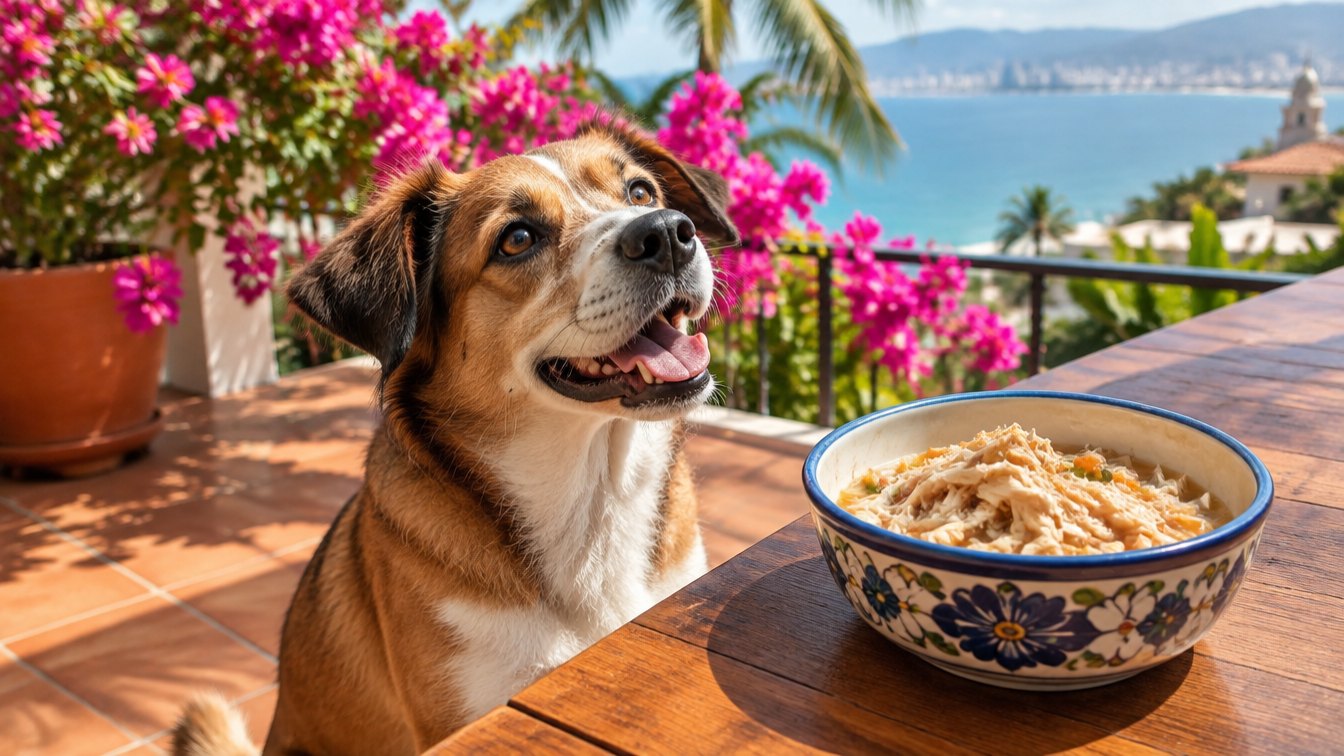
Walk into any pet store in Puerto Vallarta and you’ll find a wall of kibble bags promising “premium”, “natural” and “complete” nutrition. At the same time, more and more dog parents are switching to fresh, home-cooked food. So which is actually better for your dog?
We cook fresh dog food for a living, so we’re obviously fans. But we also believe in honest information. In this guide we compare fresh food and kibble on what really matters, including the points where kibble wins, so you can make the right choice for your dog and your budget.
What is kibble, really?
Most kibble is made by extrusion: ingredients are ground into a dough, cooked under high heat and pressure, pushed through a die to create the little shapes, then dried and sprayed with fats and flavor enhancers so dogs will eat it. Vitamins and minerals are added back to replace what processing destroys.
To hold its shape, kibble needs a good amount of starch: corn, wheat, rice, potato or peas. That’s why even high-end kibbles contain a significant share of carbohydrates. Meat ingredients are often rendered “meals” or by-products rather than fresh meat.
What kibble does well
- Price: it’s usually the cheapest way to feed a dog.
- Convenience: scoop, serve, done. No freezer needed.
- Shelf life: a sealed bag keeps for months at room temperature.
- Formulation: reputable brands are formulated to be nutritionally complete.
Where kibble falls short
- Heavy processing and long lists of ingredients you wouldn’t recognize as food.
- Low moisture: about 10%, compared with 70–80% in fresh food.
- Fillers and starches that add calories but not much else.
- Palatability that often depends on sprayed-on flavor coatings.
- Storage in the tropics: once opened in humid weather, fats can go rancid and bags can attract ants and storage mites if not sealed well.
What “fresh dog food” means
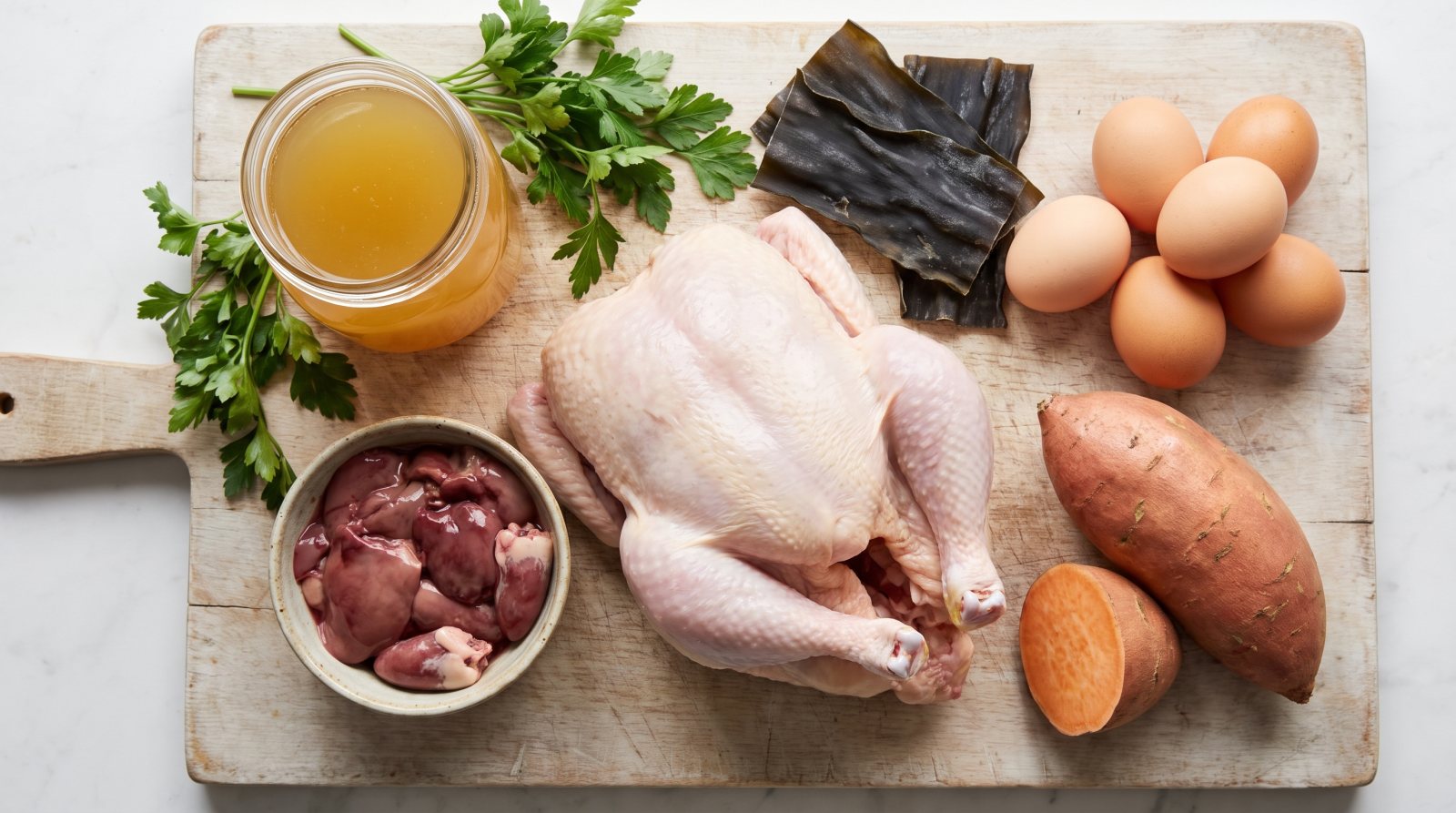
Fresh dog food is made from whole ingredients, gently cooked at lower temperatures, then refrigerated or frozen instead of dried. It looks and smells like food because it is food: real meat, organs and broth rather than pellets.
Not all “fresh” food is the same, though. Read labels and ask questions: Where is it made? What is the main protein? Are organs included? Are there preservatives? How is it stored and delivered?
Fresh vs. kibble: side by side
| Kibble | Fresh, gently cooked | |
|---|---|---|
| Processing | High heat & pressure extrusion, dried | Gently cooked, then frozen |
| Moisture | About 10% | About 70–80% |
| Main ingredients | Meat meals, grains/starches, added fats | Whole meat, organs, broth |
| Preservatives | Usually yes (natural or synthetic) | Usually none (freezing preserves it) |
| Palatability | Relies on coatings | Naturally aromatic |
| Cost per meal | Lower | Higher |
| Storage | Pantry | Freezer & fridge |
| Convenience | Very high | High with delivery |
Five differences you may notice after switching
1. Moisture, which matters a lot in Puerto Vallarta
From June to October, Puerto Vallarta is hot and humid, and even the dry season has very warm days. Dogs cool themselves mainly by panting, which costs water. A dog on kibble has to drink all of its water; a dog on fresh food gets a large share with every meal. That doesn’t replace a full water bowl, but it’s a real help in our climate.
2. Digestion and stools
Many owners notice smaller, firmer and less smelly stools after switching to a fresh, low-filler diet. That’s generally a sign that more of the food is being digested and used, and less is passing straight through.
3. Coat and skin
Natural fats from whole chicken and collagen from beef broth nourish skin from the inside. A shinier coat and less itchy, flaky skin are among the most common changes owners report within a few weeks.
4. Mealtime enthusiasm
Picky eaters, seniors with a weaker sense of smell and dogs with dental issues often find fresh food more appealing and easier to chew. If your dog sniffs the kibble bowl and walks away, fresh food is worth a try.
5. Weight control
Because fresh food is pre-portioned and less calorie-dense per bite (much of it is water), many owners find it easier to keep their dog lean. It’s also easy to adjust: a little more or a little less per meal.
The honest part: cost
Fresh food costs more than kibble. There’s no way around it: real meat and organs cooked in small batches cost more than starch-based pellets made in huge factories.
To put real numbers on it, our Dog Recipe on a monthly subscription is $228 MXN per 500 g bag (a one-time order is $338 MXN per bag). One bag lasts a small dog about a week and a big dog about 4 days, with free delivery in Puerto Vallarta.
Ways to make fresh food fit your budget:
- Mix it. Use fresh food as a topper or replace one meal a day and keep kibble for the other. You still get much of the moisture and palatability benefit.
- Subscribe monthly. It’s our best price per bag.
- Think long term. Good nutrition is one of the foundations of long-term health and can help reduce some diet-related problems down the road.
When kibble is perfectly fine
Kibble isn’t poison. Millions of dogs live long, healthy lives on good quality kibble. It can be the right choice if:
- your budget simply doesn’t allow fresh food (a good kibble beats a poorly balanced homemade diet);
- your vet has prescribed a specific therapeutic diet;
- you travel a lot or don’t have reliable freezer space.
If you stay with kibble, choose a reputable brand with a named meat as the first ingredient, store it in an airtight container away from heat and humidity, and add moisture: a splash of water or a spoon of fresh food on top.
How to switch your dog to fresh food safely
Sudden diet changes can cause upset stomachs. Transition over about 7–10 days:
| Days | Old food | Fresh food |
|---|---|---|
| 1–3 | 75% | 25% |
| 4–6 | 50% | 50% |
| 7–9 | 25% | 75% |
| 10+ | 0% | 100% |
Slow down if you see loose stools. Dogs with sensitive stomachs may need two weeks or more. Keep fresh water available at all times, and weigh your dog every couple of weeks to fine-tune portions.
Storage and serving tips
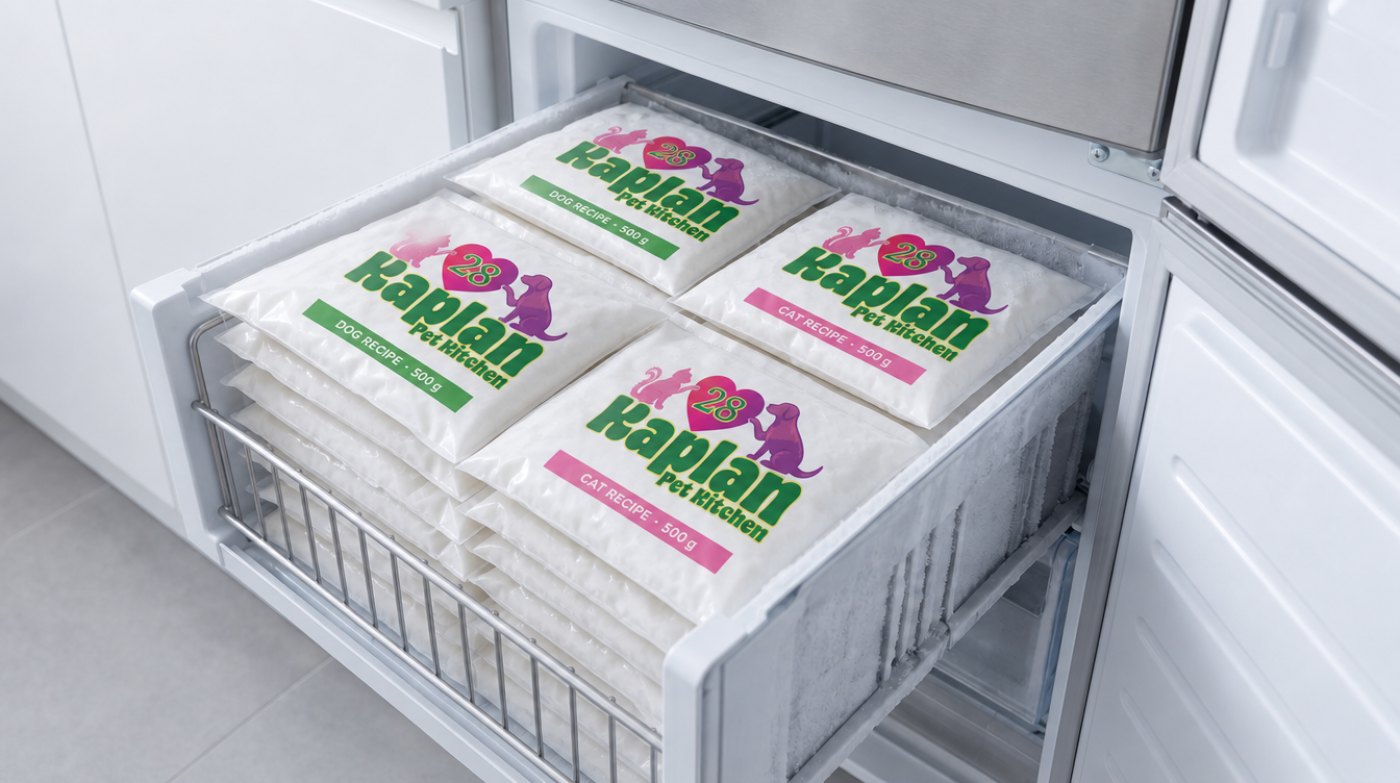
- Freezer: keep bags frozen up to 5 months.
- Fridge: thaw the next bag in the fridge the night before; use within 2 weeks once thawed.
- Serve at room temperature or slightly cool, never hot.
- Hot days: pick up uneaten food after 20–30 minutes; fresh food spoils faster than kibble in tropical heat.
Common myths about fresh dog food
“Dogs need crunchy kibble to keep their teeth clean”
This one is very widespread, but most dogs swallow kibble almost whole, and the hard pieces do little to scrape plaque, especially near the gum line where dental disease starts. Brushing, vet-approved dental chews and regular dental check-ups do far more for your dog’s teeth than the texture of its food.
“Fresh food is the same as table scraps”
Not at all. Leftovers from our plates are often too salty or fatty, and can contain ingredients that are toxic to dogs, such as onion, garlic, grapes, raisins, chocolate or cooked bones. A fresh dog food is cooked specifically for dogs, without seasoning and without those risky ingredients.
“Fresh food is always raw”
Raw feeding is a separate approach with its own debates about bacteria and handling. Gently cooked fresh food, like ours, is cooked to make it safe and easy to digest, then frozen to preserve it without additives.
“If my dog likes it more, it must be junk”
Dogs do love fatty treats, but enthusiasm for real meat and organs is simply natural. The difference is that fresh food gets its flavor from the ingredients themselves, not from coatings sprayed on afterwards.
Feeding your dog through a Puerto Vallarta summer
Our hot, humid months change a dog’s routine, and its meals should adapt too:
- Feed in the cooler hours. Serve meals early in the morning and in the evening, and avoid big meals right before or after exercise.
- Walk early or late. Pavement and sand get very hot at midday. Place the back of your hand on the ground for about 7 seconds: if it’s too hot for you, it’s too hot for paws.
- Always carry water on walks and beach trips, and offer it often.
- Watch for heat stress: heavy panting, thick drool, bright red gums, vomiting, wobbliness or collapse. Move your dog to shade, cool it with water (not ice-cold) and call a vet right away. Flat-faced breeds, seniors and overweight dogs are most at risk.
- Treat with frozen fresh food. A spoonful of thawed fresh food frozen in an ice-cube tray makes a cooling, healthy summer treat; just count it in the daily portion.
How to choose a fresh dog food in Puerto Vallarta
Use this checklist when comparing options:
- Real meat first, ideally including organs (liver, heart), which are naturally rich in vitamins and minerals.
- No fillers, colorants or artificial preservatives.
- Made locally and frozen quickly, so it doesn’t spend days in transit in the heat.
- Clear storage instructions and portion guidance by weight.
- Flexibility for special diets your vet may recommend.
- Easy delivery and payment that fit your life.
About Kaplan Pet Kitchen’s Dog Recipe
Kaplan Pet Kitchen is a small home kitchen in Puerto Vallarta. Our Dog Recipe is made from the whole chicken, including nutrient-rich organs, with beef broth collagen and natural iodine. No fillers, preservatives or colorants. We cook in small batches, freeze it the same day and deliver it to your door.
- Protein-rich recipe for dogs of all sizes, in 500 g frozen bags.
- Free home delivery across Puerto Vallarta (see delivery areas), Nuevo Vallarta and Bucerías on request.
- Cash on delivery: no card, no app.
- Vet-requested adjustments (lower sodium, lower protein, more healthy carbs) at no extra cost.
- Pause, change or cancel any time by WhatsApp.
Going on a trip? Our partner Pawvana Luxury Dog Hotel can keep your dog on its Kaplan meals during the stay, so its diet doesn’t change while you’re away.
Have a cat too? Read how to keep your cat hydrated in Puerto Vallarta’s heat.
Ready to try real food?
Tell us about your dog and we’ll suggest the right number of bags. First delivery confirmed by WhatsApp, cash on delivery.
Start my dog’s subscription Ask us on WhatsAppThis article is general information, not veterinary advice. If your dog has a health condition or you have questions about its diet, please consult your veterinarian.
Frequently asked questions
Is fresh dog food better than kibble?
Fresh food is less processed, much more moist (70–80% vs. about 10%) and made from recognizable ingredients, and many dogs digest it better and find it tastier. Good quality kibble can still keep a dog healthy. The best choice depends on your dog’s health, your budget and your routine, and mixing both is a valid option.
How much fresh food does my dog need?
It depends on weight, age and activity. As a reference, one 500 g bag of our Dog Recipe lasts a small dog about a week and a big dog about 4 days. Tell us your dog’s weight when you subscribe and we’ll suggest the right number of bags.
Can I mix fresh food with kibble?
Yes. Many owners use fresh food as a topper or replace one meal a day. Reduce the kibble so the total calories stay the same and your dog doesn’t gain weight.
How long does it take to switch a dog to fresh food?
Usually 7–10 days, gradually increasing the fresh portion. Dogs with sensitive stomachs may need two weeks or more.
Is your dog food raw?
No. Kaplan Pet Kitchen’s food is gently cooked, then frozen. It is not a raw diet.
Do you deliver fresh dog food in Puerto Vallarta?
Yes, free across Puerto Vallarta (Marina Vallarta, Versalles, Fluvial, Centro, Zona Romántica, Pitillal, Las Juntas and more), plus Nuevo Vallarta and Bucerías on request. You pay cash on delivery.